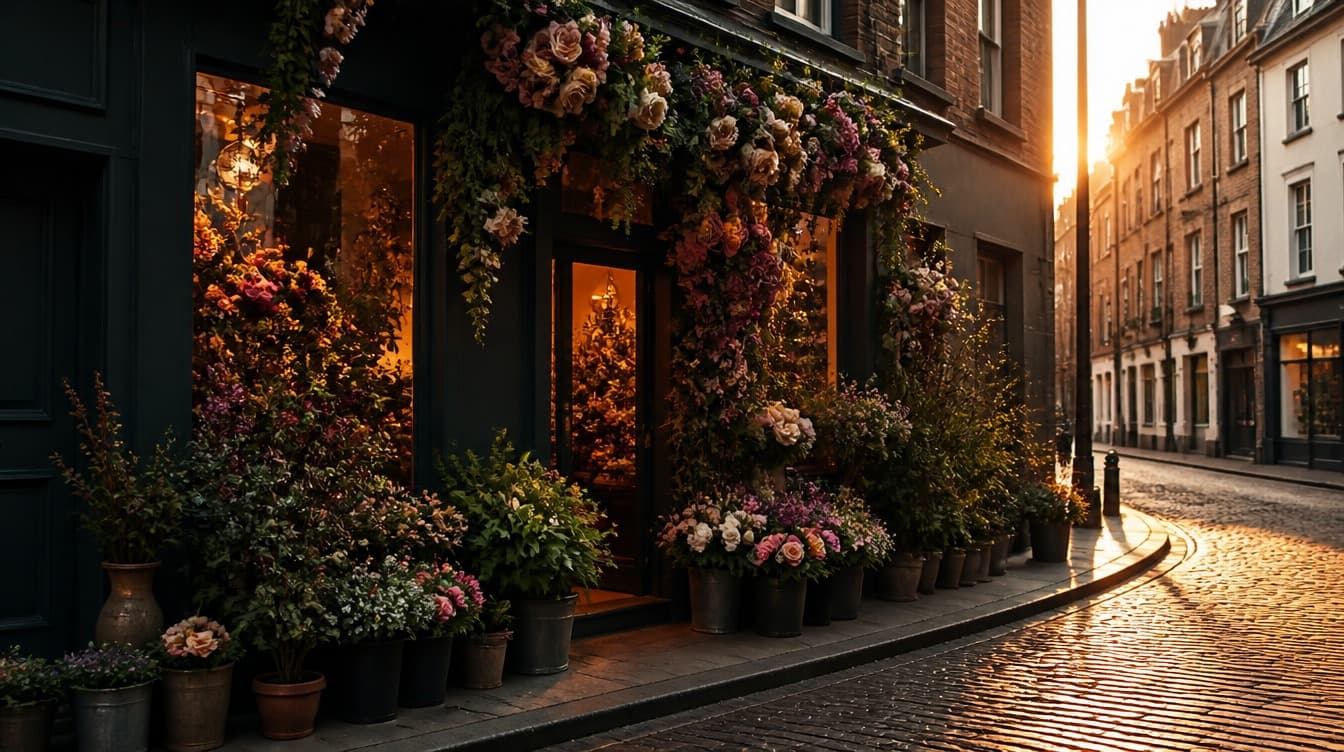
Moor Street · Soho · London W1
Flowers
from the heart
of the West End
Hand-tied bouquets from our Soho workshop, delivered same-day across Central London. Since 2012, London's most trusted independent florist.
Our Philosophy
Flowers chosen
at dawn, tied
with care
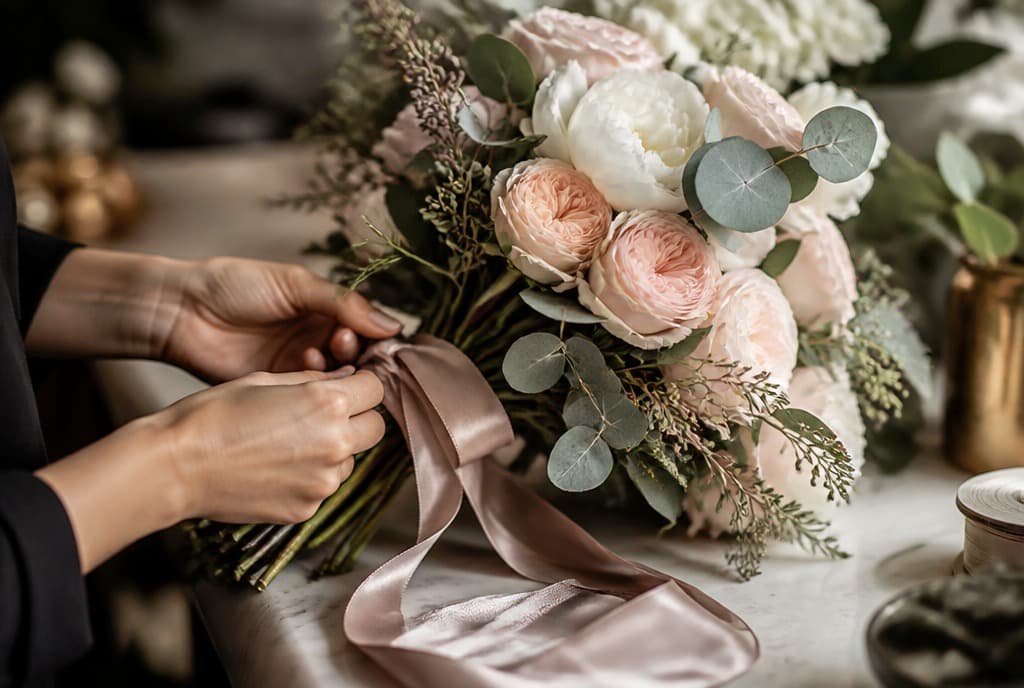
Every morning before the West End stirs, we're at New Covent Garden Market, hand-selecting the freshest stems from British growers and the finest Dutch auctions.
Back on Moor Street, each bouquet is tied to order — never pre-made, never rushed. We believe a flower arrangement should feel as considered as the moment it's given for.
No cellophane. No foam. Just seasonal stems, kraft paper, and the quiet confidence that comes from doing one thing beautifully.
Hand-tied bouquets
Our collections
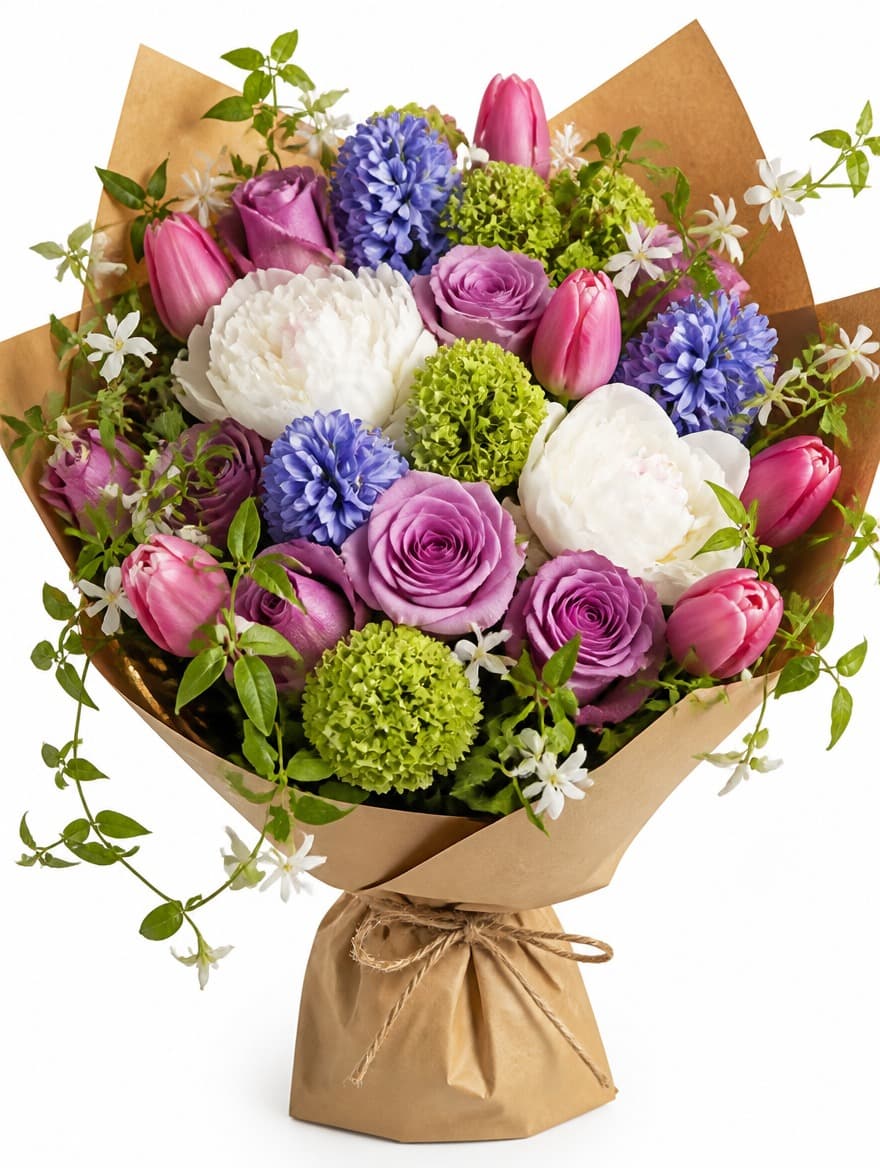
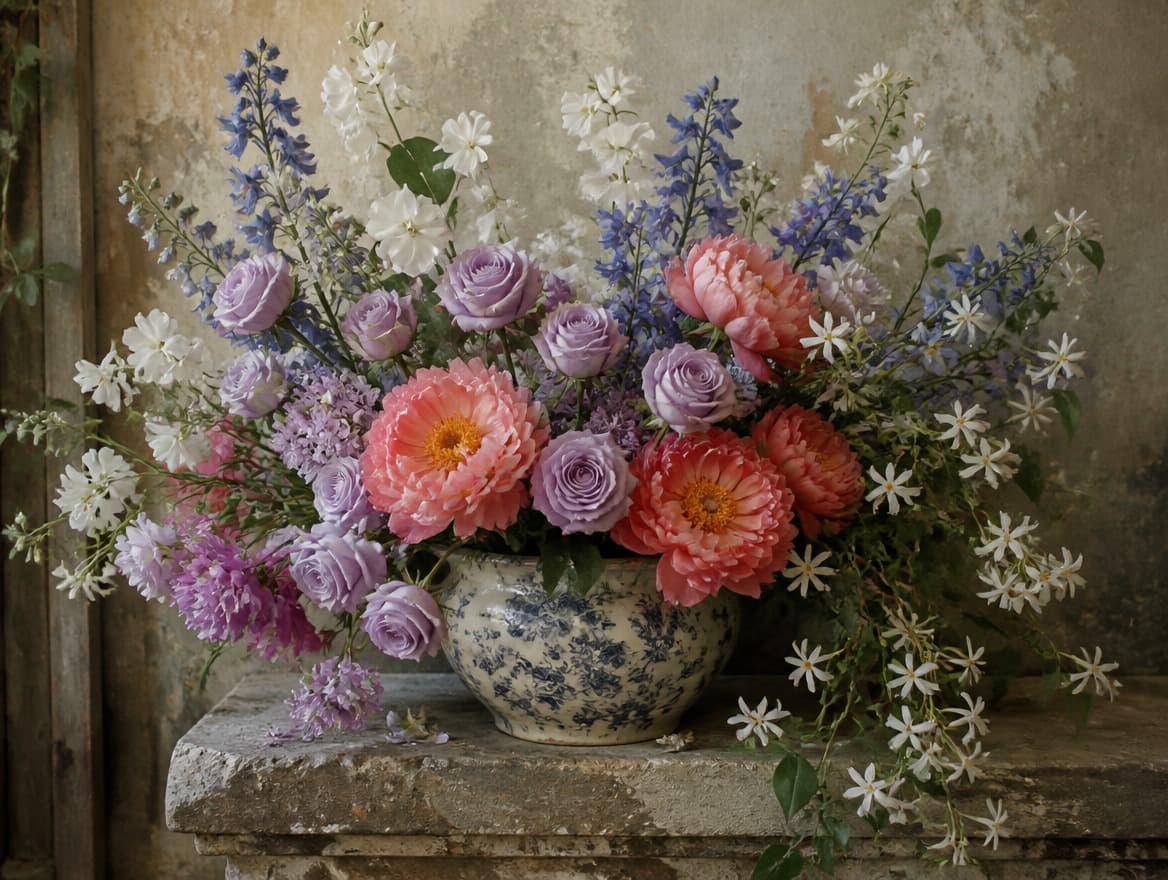
The Seasonal Edit
What's blooming
in Britain right now
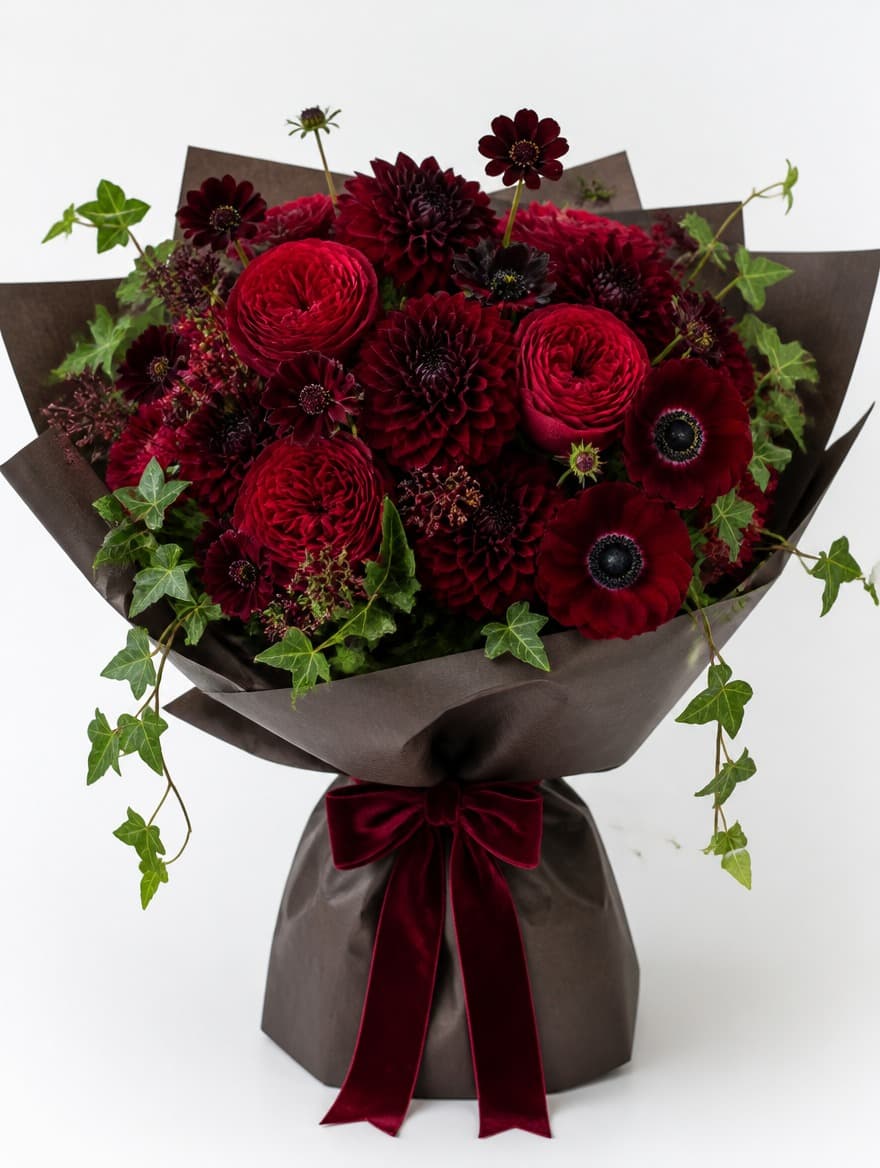
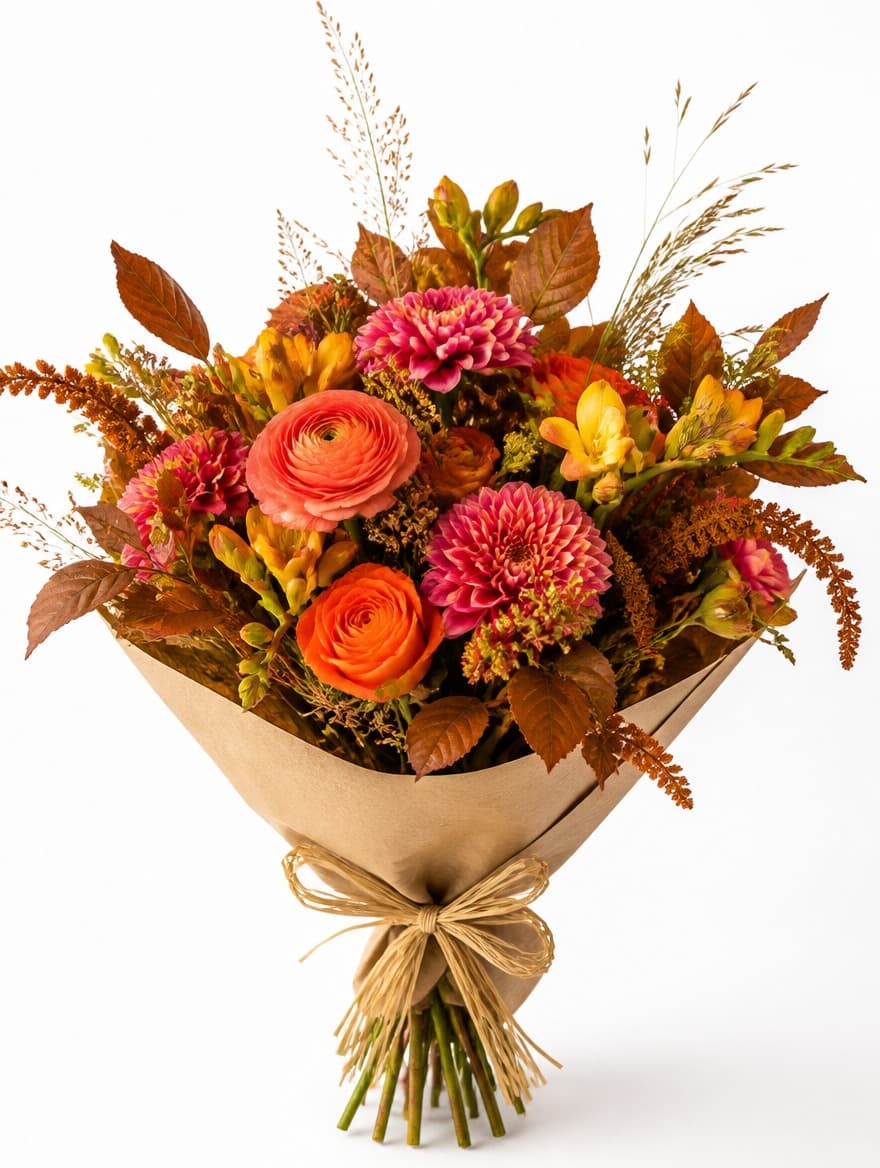
We follow the British flower calendar — from the first snowdrops of January to the last dahlias of October. Every stem in our seasonal edit is grown in Britain and cut at its peak.
Right now: garden roses, sweet peas, peonies, delphiniums, and the first of the summer blooms from Cornwall and the Cotswolds.
Same-day delivery
From our door to yours,
across Central London
Order by 2pm for same-day hand delivery across all Central London postcodes. Each bouquet is tied fresh to order and delivered by our own couriers — never a third-party service.
Order by 2pm
Same-day delivery across Central London. Orders placed after 2pm arrive next morning.
Hand-delivered
Our own couriers, not a third party. Every bouquet arrives in perfect condition.
All Central London
From Zone 1 to Zone 2 — Mayfair, Chelsea, the City, and everywhere in between.
Mayfair
W1
Marylebone
NW1
Chelsea
SW3
Covent Garden
WC2
Soho & Fitzrovia
W1
Knightsbridge
SW1
Notting Hill
W11
Belgravia
SW1
Kind words
What our customers say
“The most beautiful bouquet I've ever received. The roses lasted two weeks and the scent filled our entire flat. I won't go anywhere else now.”
Charlotte H.
Mayfair regular
“Ordered at 1pm, delivered to my wife's office in Covent Garden by 3pm. She said they were the freshest flowers she'd ever seen. Thank you for making me look good!”
James P.
First-time customer
“I walked past on Moor Street and the smell stopped me. Ended up buying a bouquet for my mother — she still talks about it. The Soho Bohème is spectacular.”
Priya M.
Local, Soho

Stay in bloom
The Moor Street
newsletter
Seasonal flower guides, grower stories, first access to new collections, and a discount on your first order. Sent fortnightly — never spam.